
Why Small Businesses Should Invest in Commercial Security Systems
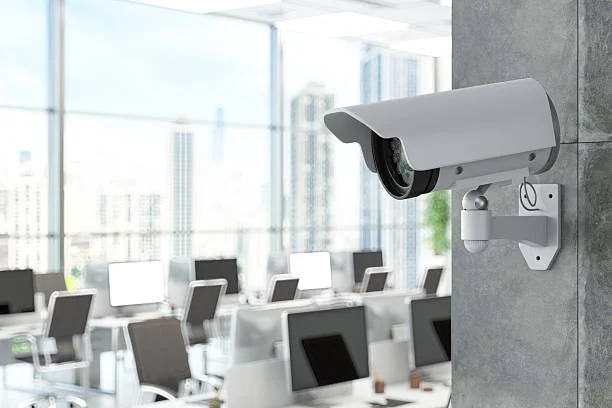
Small businesses face many of the same security risks as larger companies, including theft, unauthorized access, property damage, and employee safety concerns. Investing in small business security systems Toronto can help reduce these risks by combining cameras, alarms, access control, and monitoring based on the needs of the business. A well-planned security setup can deter theft, provide useful evidence when an incident occurs, protect valuable assets, and give employees a safer workplace. Maxemum Security helps businesses choose and install security systems designed around their premises, operations, and security priorities.
Why Security Matters for Small Businesses
A small business may have fewer employees, less physical space, and a smaller inventory than a large organization, but a security incident can still have a serious financial impact. Stolen equipment, damaged property, lost inventory, and business interruptions can add up quickly.
Security systems provide several layers of protection instead of relying on locks or staff awareness alone. Cameras can monitor activity, alarms can alert people to unauthorized entry, and access control can restrict sensitive areas to approved individuals.
For many owners, the value of security comes from prevention as much as response. Visible cameras and alarm equipment can discourage unwanted activity before it develops into a larger incident.
How Security Systems Help Reduce Theft
Retail stores, offices, warehouses, restaurants, and service businesses can all face theft risks. These risks may involve shoplifting, stolen equipment, unauthorized removal of inventory, or after-hours break-ins.
A properly positioned commercial security camera system with night vision can monitor entrances, exits, sales areas, storage rooms, parking areas, and other locations where activity needs to be documented. Recorded footage can also help identify what happened after an incident.
Security measures can support theft prevention for businesses in several practical ways:
Visible surveillance: Security cameras make monitored areas clearly identifiable and can discourage unauthorized behaviour.
Alarm detection: Door, window, motion, and other sensors can identify suspicious activity and trigger an alert.
Access restrictions: Access control systems can limit entry to offices, stockrooms, server rooms, and other restricted areas.
Recorded evidence: Video footage can help businesses review incidents and provide information to authorities or insurers when appropriate.
After-hours protection: Alarm and surveillance systems can continue protecting the property when employees are not present.
Security does not guarantee that theft will never occur. Its purpose is to reduce opportunities, improve awareness, and provide a faster response when unusual activity takes place.
A Security System Can Improve Workplace Safety
Security is not limited to protecting merchandise and equipment. Employees also benefit from a workplace where access, visitor activity, and unusual events can be monitored.
For example, access control can prevent unauthorized individuals from entering employee-only areas. Cameras can help managers review activity around entrances and common areas. Panic or emergency alert features may also be appropriate for businesses that face specific safety concerns.
A security system can support workplace safety by helping businesses:
Control access to restricted areas.
Monitor entrances and exits.
Identify unusual activity.
Review recorded footage after an incident.
Maintain better awareness of activity around the property.
The right setup depends on the type of business, building layout, operating hours, number of employees, and specific risks.
Protecting Equipment, Inventory and Business Property
Business assets include much more than products on shelves. Computers, point-of-sale equipment, tools, documents, machinery, communication equipment, and other property can represent a significant investment.
A commercial security system can provide protection across several parts of a property. For example, motion sensors can monitor areas after closing, while cameras can provide visual coverage of important locations. Door contacts can detect unauthorized entry, and access control can help protect rooms containing sensitive equipment or information.
For a small company, protecting these assets can also help reduce operational disruption. Replacing stolen equipment is only one part of the cost. Lost working hours, delayed services, data concerns, and repairs can create additional challenges.
What Should a Small Business Security System Include?
There is no single security package that fits every small business. A retail store may need strong video coverage around entrances and checkout areas, while an office may place greater emphasis on access control and after-hours intrusion detection.
Common components include:
| Security Component | Main Purpose | Common Small Business Use |
|---|---|---|
| Security Cameras | Visual monitoring and recording | Entrances, sales floors, offices, storage areas |
| Alarm Systems | Detect unauthorized entry or activity | Doors, windows and after-hours protection |
| Motion Sensors | Detect movement in monitored areas | Offices, warehouses and closed premises |
| Access Control | Restrict entry to approved users | Offices, stockrooms and restricted rooms |
| Video Surveillance | Review and document activity | Incident investigation and general monitoring |
| Remote Access | View or manage selected systems remotely | Owners and managers who need off-site access |
Some businesses may need only a few of these components, while others may benefit from an integrated system.
Choosing Affordable Business Security
Security does not have to mean purchasing every available device. A better starting point is identifying the areas where a security incident would cause the greatest disruption or loss.
For example, a small retail business may prioritize cameras at entrances and high-value merchandise areas. A professional office may need access control at the main entrance and additional protection for records or equipment. A warehouse may require a combination of cameras, motion detection, perimeter protection, and controlled access.
Affordable business security starts with matching the system to actual risks. Buying equipment that does not address the property's security needs can result in unnecessary spending, while under-protecting important areas can leave gaps.
Businesses should also consider installation quality, system maintenance, storage requirements, monitoring arrangements, user access, and future equipment changes when evaluating costs.
Understanding Business Security System Cost
The business security system cost depends on several factors rather than one standard price. The size of the property, number of cameras, type of alarm equipment, access control requirements, installation complexity, recording requirements, and monitoring services can all affect the total investment.
A useful way to evaluate cost is to consider the complete system rather than looking only at the price of individual devices.
Factors that can influence the total cost include:
Number and type of security cameras
Camera placement and installation requirements
Alarm sensors and control equipment
Access control hardware
Video storage requirements
Remote viewing capabilities
Professional installation
System maintenance and support
Monitoring services, where required
Business owners can request a detailed assessment and compare the recommended equipment with the property's actual security requirements before making a purchasing decision.
Do Small Businesses Need a Commercial Alarm?
A commercial alarm for small business use can be valuable for premises that remain unattended outside operating hours. An alarm system can monitor doors, windows, motion, and other designated areas, depending on the configuration.
For example, a business that closes overnight may use door contacts and motion detection to identify unauthorized activity after employees leave. An alarm can then trigger a local notification or communicate with a monitoring service based on the selected setup.
Alarm systems can also work alongside cameras. The alarm can identify an event, while commercial video surveillance may provide visual information about what occurred.
This combination gives owners more information than relying on a lock or basic standalone alarm device.
Why Professional Installation Matters
Security equipment only works as intended when it is selected, positioned, configured, and maintained properly. A camera pointed at the wrong location may leave an important entry point uncovered. An improperly configured sensor may create unnecessary alerts or fail to provide the intended level of detection.
Professional installation can help address issues such as:
Camera positioning and coverage
Sensor placement
Network connectivity
Recording configuration
User permissions
Access control setup
Alarm configuration
Equipment testing
Maxemum Security can assess the business environment and recommend security equipment based on the property's layout and operational requirements.
Small Business CCTV Can Support Incident Investigation
A small business CCTV system provides more than live viewing. Recorded footage can help owners and managers understand events that have already occurred.
For instance, footage may help establish when an unauthorized person entered a property, identify activity around a damaged area, or provide useful information about missing inventory. Depending on the system, footage can be reviewed from a local recorder or an authorized remote device.
Camera placement matters greatly. Coverage should focus on locations where activity needs to be documented while respecting applicable privacy and workplace requirements.
Businesses should also establish appropriate policies for video access, retention, and handling of recorded information.
Security Systems Can Support Business Continuity
A security incident can interrupt normal operations. A break-in may require repairs, equipment replacement, inventory checks, and time away from serving customers. A damaged entrance or stolen computer system can create additional delays.
Security measures can reduce some of these risks by detecting unauthorized activity sooner and helping businesses respond more effectively.
The goal is not simply to install equipment around a property. The system should support the way the business operates and address the locations and situations that create meaningful security concerns.
How to Choose the Right System for Your Business
Before purchasing security equipment, small business owners can review a few practical questions:
What needs protection? Identify inventory, equipment, records, entrances, vehicles, and restricted areas.
Where are the main risks? Review entry points, blind spots, storage areas, and locations with valuable assets.
What happens after business hours? Determine how the property should be monitored when employees are away.
Who needs system access? Establish which employees or managers should view cameras or manage access permissions.
What is the available budget? Consider installation, equipment, storage, monitoring, and ongoing maintenance.
Will the system need additional coverage later? Choose equipment and infrastructure that can accommodate reasonable changes to the premises and security requirements.
A professional assessment can make this process more practical by identifying security priorities before equipment is selected.
Frequently Asked Questions
Are security systems worth it for a small business?
Security systems can provide several practical benefits, including theft deterrence, intrusion detection, video evidence, access control, and improved awareness of activity around the property. The value depends on the business's risks, property, assets, and security requirements.
What is the most important security system for a small business?
There is no single system that is most suitable for every business. Cameras, alarms, access control, and motion detection address different risks. Many businesses benefit from combining several technologies based on their property and operations.
How much does a small business security system cost?
The cost varies according to the size of the property, equipment selected, installation requirements, camera count, alarm configuration, recording needs, access control, and monitoring services. A site assessment can provide a more accurate estimate.
Does CCTV prevent theft?
CCTV can discourage unauthorized activity because visible surveillance increases the likelihood that incidents will be detected or documented. It can also provide recorded evidence after an incident. CCTV should be used as one part of a broader security plan.
Do small businesses need alarm systems?
An alarm system can be useful for businesses that need protection against unauthorized entry, especially during unoccupied hours. The appropriate sensors and configuration depend on the property's layout and security risks.
Protect Your Business Before a Security Incident Happens
Security systems give small businesses practical tools for protecting people, property, equipment, inventory, and daily operations. Cameras can provide visibility, alarms can detect unauthorized activity, and access control can restrict sensitive areas. Together, these technologies can help reduce security risks without requiring a system that is unnecessarily complicated for the business.
The right investment starts with understanding the property and identifying the areas that require protection. Business owners can get in touch with a qualified security professional to review their requirements, compare suitable equipment, and develop a security setup that fits their operations and budget. A properly planned system can provide useful protection today while giving the business a clearer way to manage security as its needs change.
